PACEID Advances Uganda–Nigeria Trade Partnership as High-Level Talks Target AfCFTA Opportunities
ABUJA, NIGERIA — Uganda has intensified efforts to unlock the Nigerian market for its exports after a high-level delegation led by the Presidential Advisory Committee on Exports and Industrial Development (PACEID) held strategic engagements with senior Nigerian government officials in Abuja aimed at accelerating trade and investment under the African Continental Free Trade Area (AfCFTA).
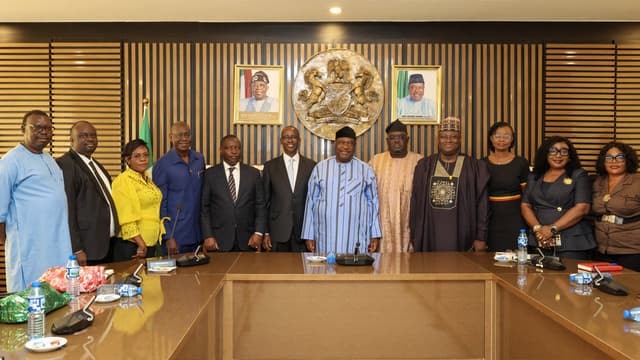
The Ugandan delegation was led by PACEID Chairman Odrek Rwabwogo and included the Minister of State for Industry, Hon. David Bahati; Uganda's Acting High Commissioner to Nigeria, Ambassador Philip Odida; Minister-Counsellor for Economic and Commercial Diplomacy Dr. Sam Omara; Head of the PACEID Secretariat Matthew Bagonza; PACEID Director of Markets Brenda Katarikawe Opus; and members of the technical team.
The delegation was received by Nigeria's Secretary to the Government of the Federation, Senator George Akume, alongside senior officials of the Nigerian Government.
According to PACEID, "the meeting sought to translate the warm political relations between Uganda and Nigeria into concrete trade, investment and industrial partnerships that create jobs and expand business opportunities in both countries".
The discussions followed bilateral engagements between President Yoweri Kaguta Museveni and Senator Akume, who represented Nigerian President Bola Ahmed Tinubu during Uganda's presidential inauguration in May 2026. During those talks in Kampala, the two leaders agreed to deepen economic cooperation and revive the long-awaited Uganda–Nigeria Joint Permanent Commission (JPC), providing fresh momentum for bilateral trade.
Building on that political commitment, the Abuja discussions focused on practical measures to strengthen commercial ties. Key issues included preparations for the Joint Permanent Commission, visa reciprocity, investment protection agreements, avoidance of double taxation, stronger air connectivity between the two countries, and the operationalisation of a Uganda–Nigeria trade corridor under AfCFTA.
The two sides also explored establishing a city partnership between Entebbe and Lagos, an initiative expected to strengthen business exchanges, logistics, tourism and investment linkages.
PACEID further raised several regulatory and non-tariff barriers that continue to limit Ugandan exports entering the Nigerian market. Among the issues discussed were product registration requirements, rules of origin, import permits, customs procedures and access to credible buyers.

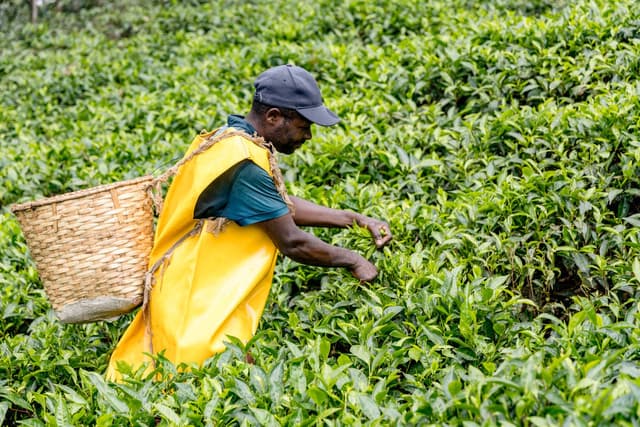
The barriers particularly affect Uganda's key export products, including coffee, tea, powdered milk, beans and pharmaceuticals—commodities viewed as having significant potential in Nigeria's market of more than 200 million people.
Despite the renewed momentum, translating the agreements into tangible trade gains will require overcoming persistent challenges.
Stakeholders say differences in regulatory standards, lengthy product registration processes, non-tariff barriers, customs procedures, limited direct air connectivity and delays in securing import permits could continue to slow Ugandan exports into Nigeria. Addressing these bottlenecks will be critical to ensuring the proposed Uganda–Nigeria trade corridor delivers meaningful results under the African Continental Free Trade Area.
The latest engagement builds on progress already made under AfCFTA.
In December 2024, Uganda appointed Ani Bassey-Eyo as its Trade Representative to Nigeria, a move that paved the way for commitment export orders and preparations for Uganda's first formal shipment of goods to Nigeria under the continental free trade agreement.
The milestone coincided with the commissioning of the Free Zones Export Facility at Entebbe International Airport and the launch of Uganda's AfCFTA Implementation Strategy.
Speaking during that launch, President Museveni described intra-African trade as central to the continent's economic transformation.
"I am pleased to kick off the journey for the first formal exports of Ugandan products to West Africa under AfCFTA," the President said.
"As Africa awakens to its economic potential, it becomes evident that domestic markets alone are not sufficient. Expanding trade across the continent is essential for sustainable growth."
The pilot exports, expected to open the West African market, included coffee, black and green tea, milk, fish and pharmaceuticals, with the objective of testing market demand before expanding volumes.
The renewed Uganda–Nigeria trade push also comes months after President Museveni hosted Nigerian industrialist Aliko Dangote at State House, Nakasero, where discussions centred on establishing a regional oil refinery for East Africa. Museveni welcomed the proposal, saying it aligns with Uganda's long-standing policy of adding value to raw materials before export while advancing Africa's industrialisation agenda.
PACEID says the current engagements are intended to ensure that the political goodwill demonstrated by both governments translates into measurable commercial outcomes for businesses.
The committee noted that it remains committed to working with both governments and the private sector to remove market barriers, facilitate exports, attract investment and create employment opportunities through stronger Uganda–Nigeria trade relations under AfCFTA.