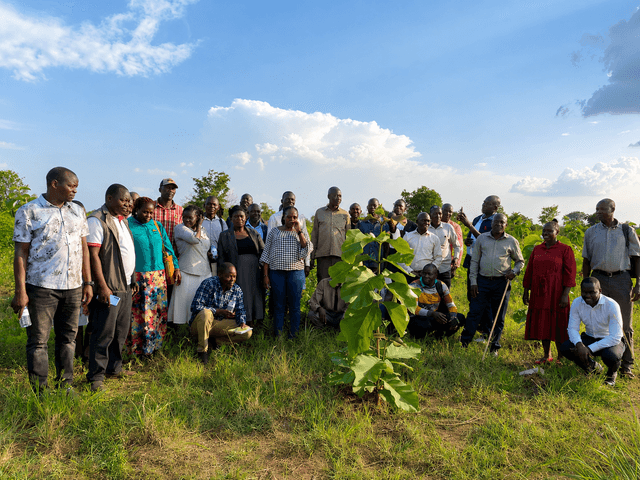
TASLL Northern Uganda Project Concludes with Strong Sustainability Plan to Protect Forests and Livelihoods
KITGUM, Uganda — As the Transformative Approach to Sustainable Landscapes and Livelihoods (TASLL) project officially winds down, key implementation partners have reaffirmed their commitment to ensuring that the gains made over the past two years continue to benefit communities and landscapes across Northern Uganda.
During a high-level stakeholder engagement, project partners reviewed achievements, reflected on lessons learned, discussed challenges, and agreed on a comprehensive sustainability roadmap to safeguard the project's environmental and livelihood impacts beyond the donor-funded phase.
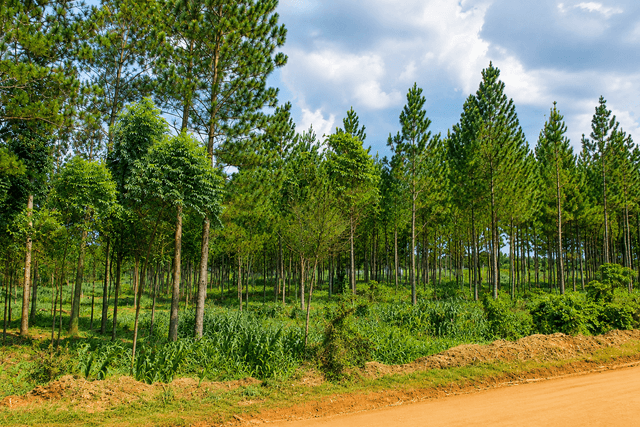
The TASLL Northern Uganda project targeted the conservation of more than 65,548 hectares of natural forest in the Agoro-Agu landscape, covering the Acholi sub-region districts of Lamwo, Pader, Kitgum, and Agago. To reverse deforestation, the project aimed to sustainably restore 15,000 hectares by planting 6 million native trees, while intentionally extending restoration efforts to refugee-hosting communities.
The meeting also addressed the conclusion of funding from the United Kingdom's Foreign, Commonwealth & Development Office (FCDO). However, ECOTRUST leadership emphasized that the project's transition had been planned from the outset and that support to participating communities would continue.
“We received word from the donor that they are unlikely to provide additional funding,” noted Freddie Kalibwani, representing ECOTRUST. “However, the design of this project already anticipated its conclusion. We prepared for this exit strategy, and our message today is clear: we are ready. How do you exit a forestry project? You stay with your trees. We are going nowhere because the trees are right here.
We are now transitioning from TASLL to Trees for Global Benefit (TGB), falling back on our mother program. Projects may come and go, but we remain. We are committed to staying by the side of these households for another 25 years.”
The transition will integrate participating farmers into ECOTRUST's long-running Trees for Global Benefit (TGB) programme, ensuring continued technical support as communities progress toward carbon financing opportunities.
Gerald Kairu, Head of Programmes at ECOTRUST, said the organization is committed to ensuring project activities continue uninterrupted.
“We are ensuring that the activities don't stop here; they continue,” Kairu explained. “That's why we call it transitioning from the donor-funded FCDO to the ECOTRUST-supported Trees for Global Benefit project. We are still around, so we shall continue supporting these farmers until they join the carbon project. They sign what they call the carbon sales contracts, not land contracts."
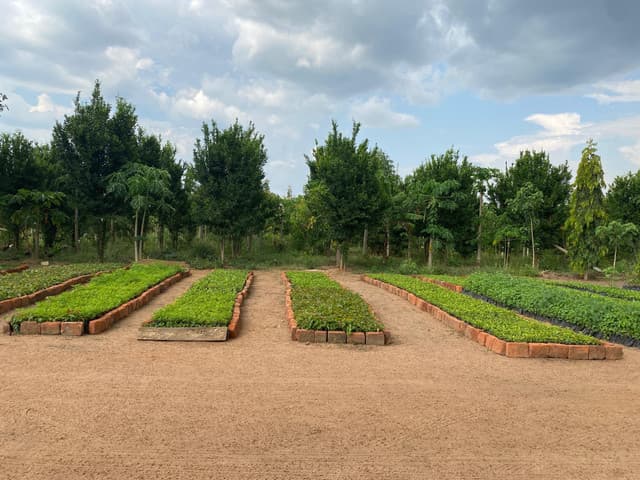
Over its two-year implementation period, TASLL delivered significant conservation and restoration outcomes. The project conducted home visits to digitally map 5,000 farmers, trained 22 local tree nursery operators, and planted 508,820 trees, including naturalized species such as teak (Tectona grandis) alongside nutritional fruit trees including jackfruit and avocado.
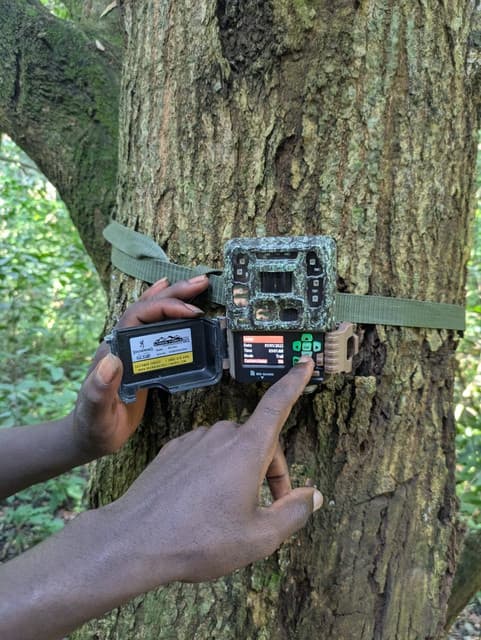
To accelerate the adoption of indigenous tree species, the project organized 45 community meetings, leading to the planting of 416,488 native trees across 1,041.22 hectares. Continuous digital tree monitoring also recorded an impressive 98.6 percent survival rate for trees planted during the 2025 planting season, with the vast majority found to be healthy.
Beyond landscape restoration, TASLL prioritized social inclusion and household economic resilience. Through Gender Action Learning Systems (GALS), the project trained 3,430 community members—comprising 2,227 men and 1,203 women—in collaborative land-use planning and sustainable natural resource management.
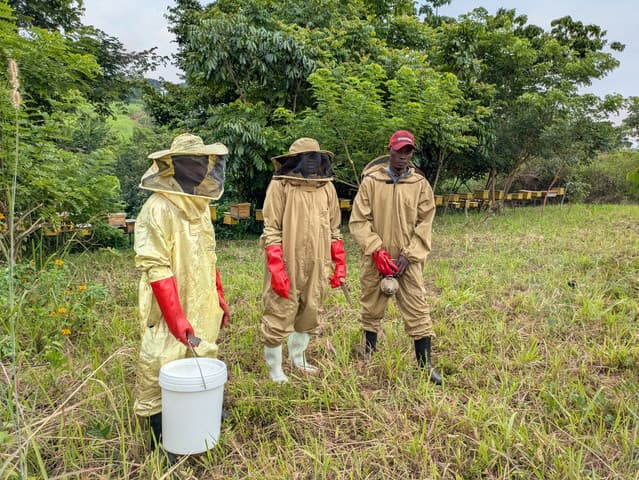
To strengthen long-term household incomes while communities await carbon revenue, ECOTRUST is also investing in market-driven enterprises, including apiculture and shea value chain development.
“We want to construct a center of excellence in Pader and honey collection centers in Lamwo and Agago,” Kairu highlighted. “The intention is to support our people to improve their livelihood. There's nothing else to benefit from this—the moment you improve somebody's livelihood, you have done your job.”
Project sustainability will also be anchored within District Local Government development plans through close collaboration with technical and political leadership, including Resident District Commissioners (RDCs), Chief Administrative Officers (CAOs), District Forest Officers (DFOs), District Community Development Officers (DCDOs), Local Council III and V chairpersons, as well as the National Forestry Authority (NFA) and the Ministry of Water and Environment (MWE).
Richard Ociti, Lamwo District Environmental Officer and project focal person, welcomed the project's contribution to district development priorities.
“We are deeply grateful for this project because it has directly contributed to our targets in the District Development Plan, particularly in establishing woodlots and boosting local livelihoods,” Ociti said. “The milestones achieved so far are remarkable. Moving forward, our focus is to continue supporting our beneficiary groups to ensure these benefits are sustained, while empowering others to learn and reap as much as they can from this initiative.”
Meanwhile, Proscovia Kisembo, the project's Regional Coordinator, applauded district leaders and partner institutions for their continued collaboration since the project's launch in 2024.
“I would like to thank the district leadership that has worked with us since 2024, with support towards the mobilization of farmers to participate in the project, supply of seedlings, and monitoring of the planted trees,” Kisembo said. “We look forward to working with the leaders as we head towards the transition,” Kisembo added.
Although physical project offices in Agago, Lamwo, and Pader will close as part of efforts to streamline operational costs, ECOTRUST confirmed that activities will be consolidated under its regional Kitgum hub, ensuring continuous engagement with participating communities.
The transition marks the end of the donor-funded TASLL project but the beginning of a longer-term commitment through the Trees for Global Benefit programme, ensuring that the forests restored, livelihoods strengthened, and partnerships built over the past two years continue to grow for decades to come.